




Blog / Abingdon Chevrolet Service

Does Your Chevy Need a Brake Repair?

3f820f77-7a4a-43e6-aa37-2f3d1ffe7aa7

Good brakes are essential in helping to prevent accidents. When your brakes work effectively, they allow you to reduce your speed in seconds, which can mean the difference between a near-miss and a collision. Over time, brake components become worn or damaged and you'll need a brake repair at your Chevy dealer. These are a few signs that you could have a brake problem.

Signs You Need a Brake Repair at Your Chevy Dealer

Vibrations When You Brake

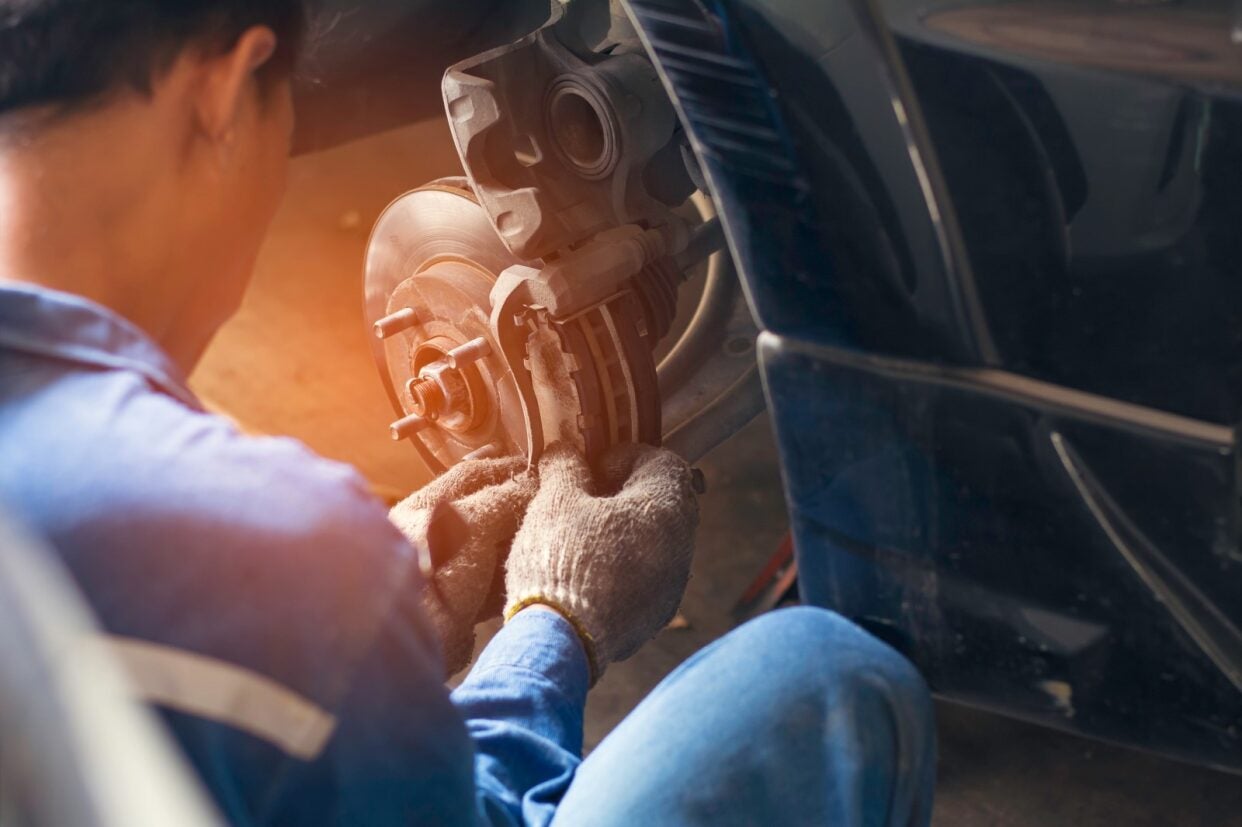
When you hit the brakes, your brakes should bring your Chevy to a smooth stop. If you experience vibrations as you brake, you have a brake problem. These vibrations are caused by damage to the wheel rotors, which are the flat disks you can just behind your tires. When you brake, the brake calipers squeeze each of the rotors. This action generates friction, and the friction stops your wheels.

In time, the rotors can develop an irregular surface due to the metal's expansion and contraction as it heats and then cools down. When the calipers grab a less-than-smooth section of a rotor, this action generates vibrations you'll feel through either the steering wheel or the brake pedal. We'll examine your rotors, and we can resurface them to make them smooth again.

Grinding Noises

Grinding noises from the brakes are very unnerving, and they're a sign that something is wrong. There are two main causes of these sounds, debris trapped in one of the calipers or worn brake pads. As we've seen, the brake calipers bring your wheels to a stop by grabbing the rotors. A stone or other hard object could be lodged inside a caliper, which creates noises each time the caliper operates.

Worn brake pads will also generate grinding noises. The brake pads have a friction-generating material cover that gradually wears down. The pads will make screeching noises when they need replacement. If the pads aren't replaced, their material covering will eventually wear off completely. When this happens, the metal pads will grind against the rotors and damage them. We'll identify the cause of the grinding noise and fix the problem.

Turning to One Side

When your brakes are in good condition, the individual calipers operate simultaneously to bring your car to a stop. If you experience the strange sensation of your car pulling to one side, this means that one of your calipers has failed. In response, your car will automatically turn towards the side that has a working brake.

A caliper could fail to engage if it's rusted or damaged. It can also fail if there is a blockage in the brake hose leading to that caliper. A blockage prevents the brake fluid from exerting the necessary hydraulic pressure to force the caliper to close. Our technicians will investigate and repair the cause of the problem.

To drive safely, you need good brakes. Call our service department today at Pioneer Chevrolet.
Posted in:

Related Posts

radiator 4

Does Your Chevy Need a Radiator Repair?

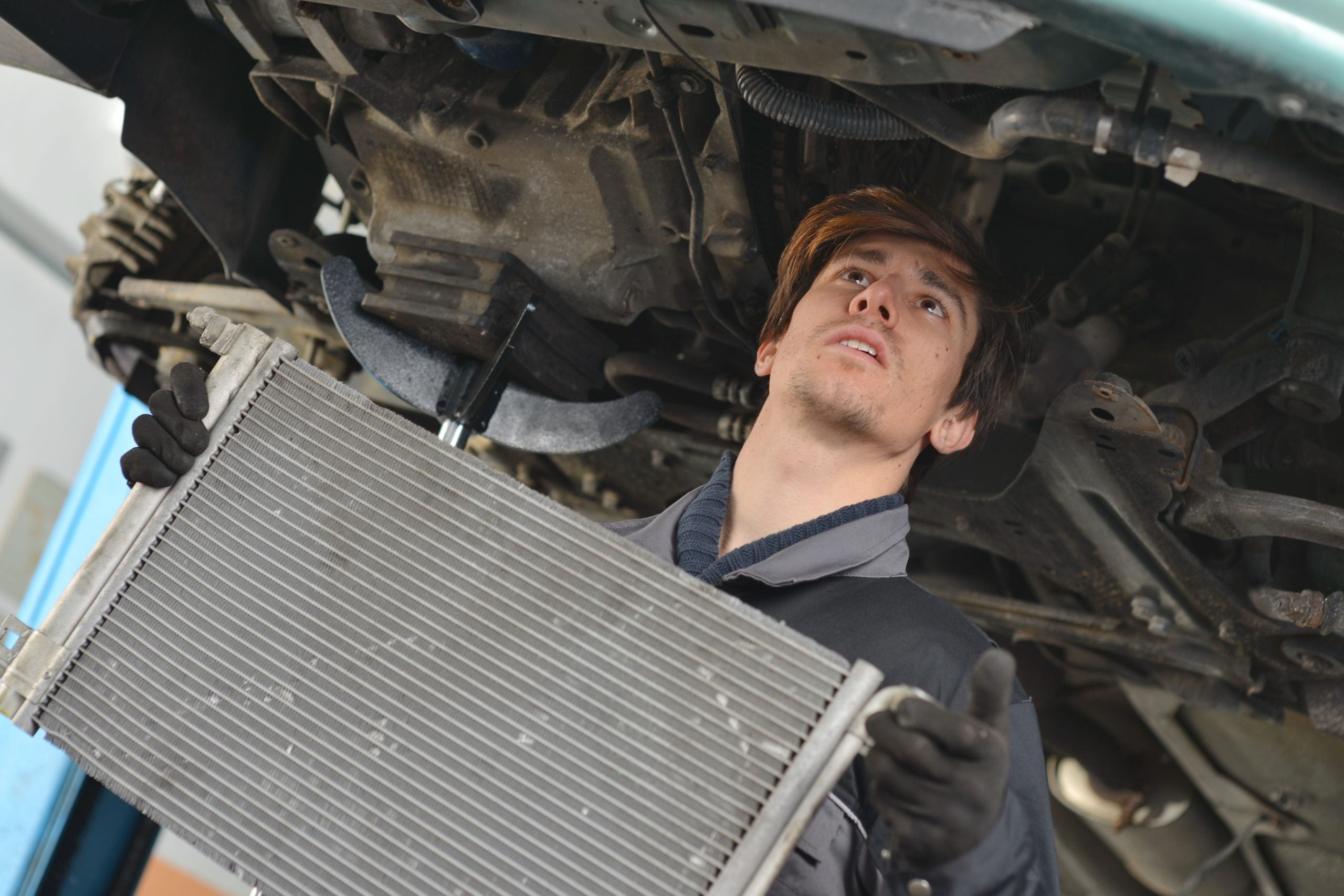
An engine generates large quantities of heat, and this heat must be removed to prevent damage to sensitive engine components. It acts as a heat exchange, receiving engine heat and removing the heat by cool air flowing over the radiator at speed as you drive. A radiator can become worn or damaged, and you'll need to visit your Chevy dealership for a radiator repair. These are some of the signs that your radiator is in trouble. Signs You Need a Radiator Repair at Your Chevy Dealership Coolant Leak Coolant is a vital part of your engine's cooling system. It's pumped through the engine at high speed and absorbs engine heat as it moves. The trapped heat is transported to the radiator, where it's diverted into rows of thin aluminum tubes. Air flows through the radiator grille as you drive, and it's diverted across the tubes to cool the hot coolant. more A coolant leak can damage your engine very quickly. As coolant leaks out, pressure in the cooling system drops, and the remaining coolant slows down. The reduced coolant speed prevents heat from being removed quickly enough to stop your engine from overheating. We'll examine your cooling system, fix the leak, and refill it with fresh coolant. Jammed Thermostat The thermostat is a small valve that controls the release of coolant. The engine operates most effectively at a temperature between 185 F and 210 F, and this is also the level at which the increased engine heat can damage components like gaskets and seals. The thermostat opens to release coolant and closes again once the engine temperature drops below its pre-determined level. If the thermostat fails, it will either release no coolant or continuously release coolant, depending on what position it's jammed in. Too much coolant will lower your engine temperature, and you'll use too much fuel, while no coolant will cause the engine to overheat. We will fix this problem by removing and replacing the thermostat. Broken Water Pump The water pump activates when coolant is released by the thermostat, and pumps the coolant through the system. The pump will speed up or slow down depending on the level of heat in your engine. The pump is a relatively simple component, but it can fail in time, and this will cause engine problems. If the pump fails, the coolant will still be released but won't move. The lack of coolant will cause your engine to overheat very quickly. You'll immediately see something is wrong as your temperature gauge will show a steadily increasing engine temperature. Our technicians will replace the broken pump with a new one to solve this problem. Radiator problems are usually quick and relatively inexpensive to repair and prevent serious engine damage. Call our service department today at Pioneer Chevrolet in Abingdon, VA.

d76401a6-f9b9-4bdb-af84-f135840d469f

How Often Does Your Chevy Need an Oil Change?

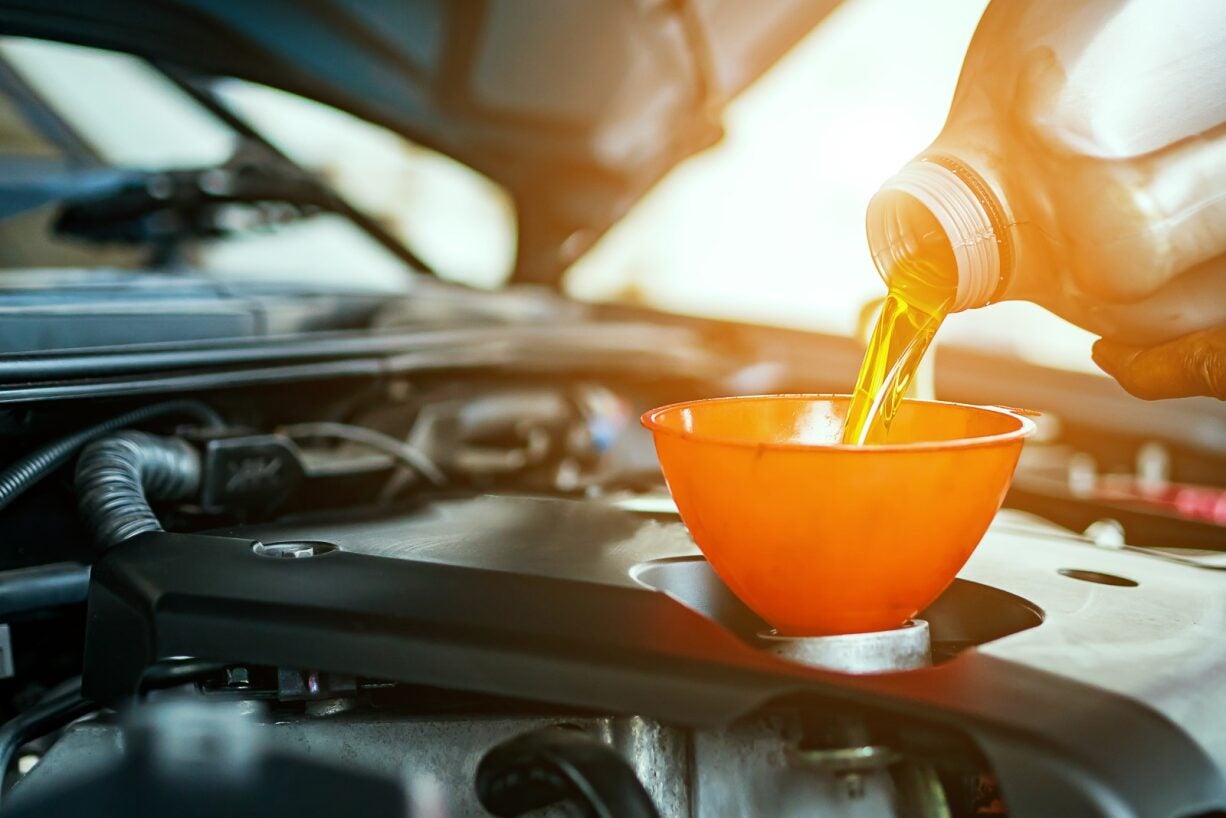
Changing your Chevy's oil regularly is crucial to keeping the engine in good condition. Oil acts as a lubricant that reduces friction and metal-to-metal contact between the engine components. It also absorbs heat from the combustion process and keeps the engine cool. Let's look at how often you should get an oil change from your Chevy dealer. How Often Should You Get an Oil Change From Your Chevy Dealer? In the past, the recommended interval for changing engine oil was every three months, or 3,000 miles. But thanks to extended-life synthetic oils and modern engine manufacturing, vehicles can go between 7,500 and 10,000 miles before needing fresh oil. more The interval may vary from one driver to another based on driving habits. For example, Chevy drivers who go off-roading or tow heavy equipment may need to change engine oil more frequently. It is important to watch out for the telltale signs that it's time to get fresh oil from your dealer. Signs It's Time to Change Your Chevy's Engine Oil Dark or Dirty Oil When engine oil is fresh, it has a clear, amber color. If your oil looks dark or black, it means contaminants from combustion and broken-down additives have polluted the oil. The dirty oil cannot lubricate the engine properly, and driving with it can cause increased engine wear and damage. You should change the oil immediately to restore proper lubrication and cooling to your Chevy's engine. Engine Overheating Oil helps cool the engine by absorbing and dissipating heat. Contaminated oil is unable to provide proper cooling, which causes the engine components to overheat from friction and reduced heat transfer. Fresh oil will cool down the engine and get it to work optimally again. Don't ignore overheating, as it can quickly lead to blown head gaskets and warped parts. Loud Engine Noises If you're hearing loud knocking, pinging, or rattling sounds from your engine, it's time to change the oil. These signify lack of oil lubrication due to low or contaminated oil. When oil loses its viscosity and lubricating properties, the metal components in the engine grind together and make knocking noises. You should get new, clean oil to restore lubrication and keep things quiet under the hood. Low Oil Level Modern Chevys have a motor oil light that comes on when the oil drops to dangerous levels. You can also check the oil level using the engine dipstick. If the level is low or the motor oil light comes on, it's time to change the oil, even if the recommended interval hasn't lapsed. Instead of just topping up the oil, get it changed, so your technician can flush your radiator and inspect the cooling system for leaks. Changing your Chevy's oil is a crucial part of engine maintenance. Don't wait for 10,000 miles to get fresh oil. If you notice these warning signs, contact us at Pioneer Chevrolet to schedule an immediate oil service.

Engineer,Hands,Fixing,Engine,Power,Transmission,Gears,Box

Does Your Chevy Need a Transmission Repair?

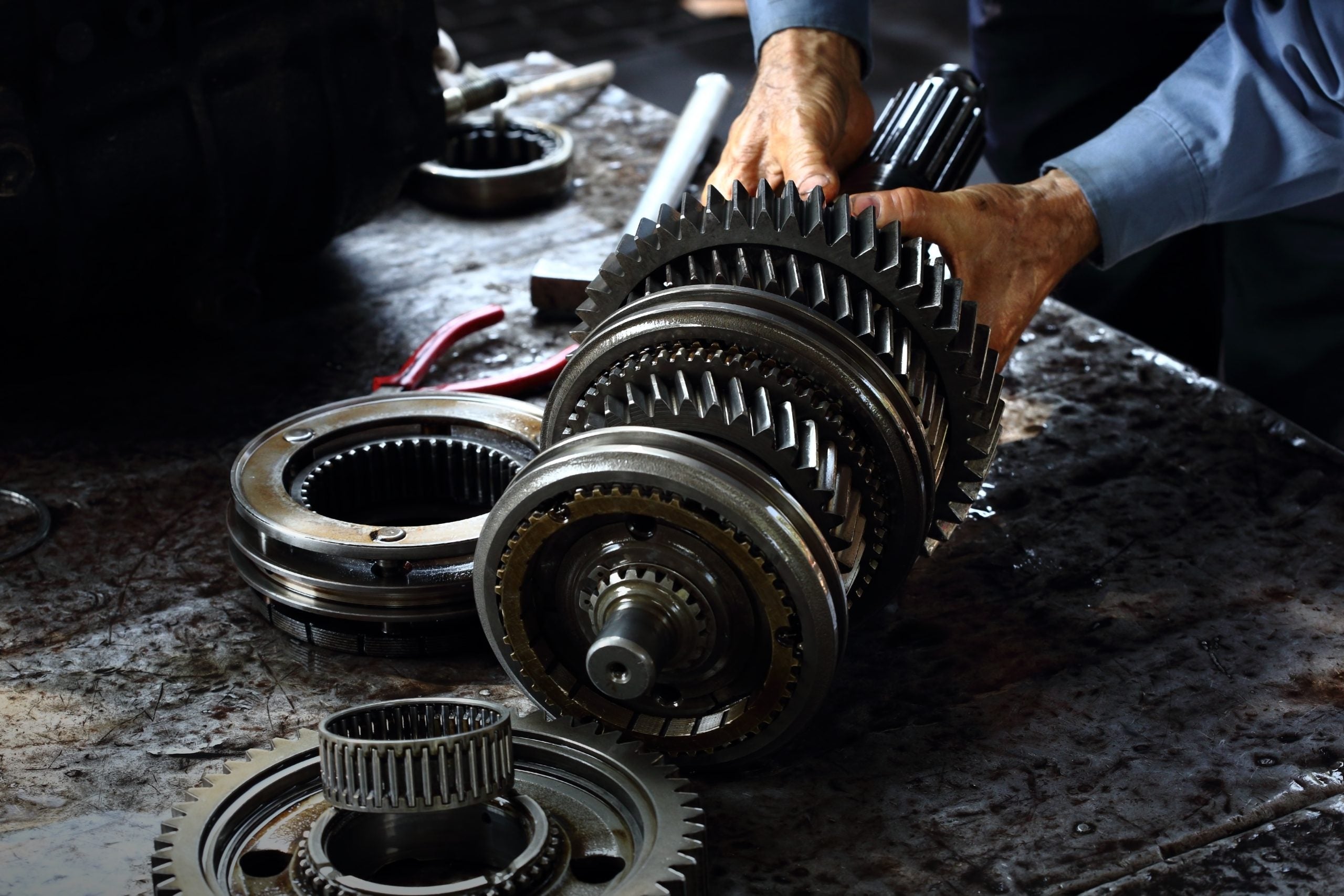
Imagine this nightmare scenario: you're driving along the highway, miles from your nearest Chevy dealer, and your car starts slipping gears. Your car is telling you it needs a transmission repair right now. There are other things your car will do to let you know you need to get your transmission fixed, too, and we'd like to share them with you. How to Tell That Your Chevy Needs a Transmission Repair It's Slipping Gears When your car slips out of gear, it's telling you that there's a problem with the transmission that's going to get worse. Your car should never fail to properly engage a gear, nor should it slip between gears while you're trying to drive. Slipping gears can be both jarring and dangerous. more It Won't Change Gears A healthy transmission switches gears instantly and seamlessly. If it's not switching gears at all, or if there's a delay between you asking it to shift gears and the gears actually shifting, then there's some kind of issue present. It's Whining Much like humans, cars tend to make noise when there's something wrong with them. This is both a blessing and a curse; it's good that the car makes noise and alerts you of problems, but knowing there's a problem is unpleasant. Head to the dealer as soon as your transmission starts making a whining sound, and know that it may also make a buzzing or clicking noise when it's in disrepair. It's Creating a Burning Smell Burning odors are a common sign of various problems with cars. When your nose picks up on the smell of burning and your transmission is to blame, then the transmission could be overheating, there could be a problem with the clutch, or the transmission fluid may be old and burning up. It's Leaking Your car is full of fluids, and any of them could start leaking out at any time. Catching a leak early is key, as if the leak continues and the fluid level gets too low, then your transmission could sustain serious damage the next time you drive. It's easy to spot transmission fluid when it leaks out, though, as it's a distinct bright red color. However, if it's been a while since your last fluid flush, then the fluid could be on the browner side. Transmission Maintenance Tips from Your Chevy Dealer Preventative maintenance is very helpful for keeping your transmission in great condition for as long as possible. Regularly check your transmission fluid, and get a transmission fluid flush as frequently as your owner's manual or mechanic recommends. Get annual transmission inspections, and have it inspected after extended periods of towing, too. Finally, make sure the cooling system is working effectively so your transmission doesn't overheat. Come by Pioneer Chevrolet for any repairs and maintenance you need on your transmission.